

















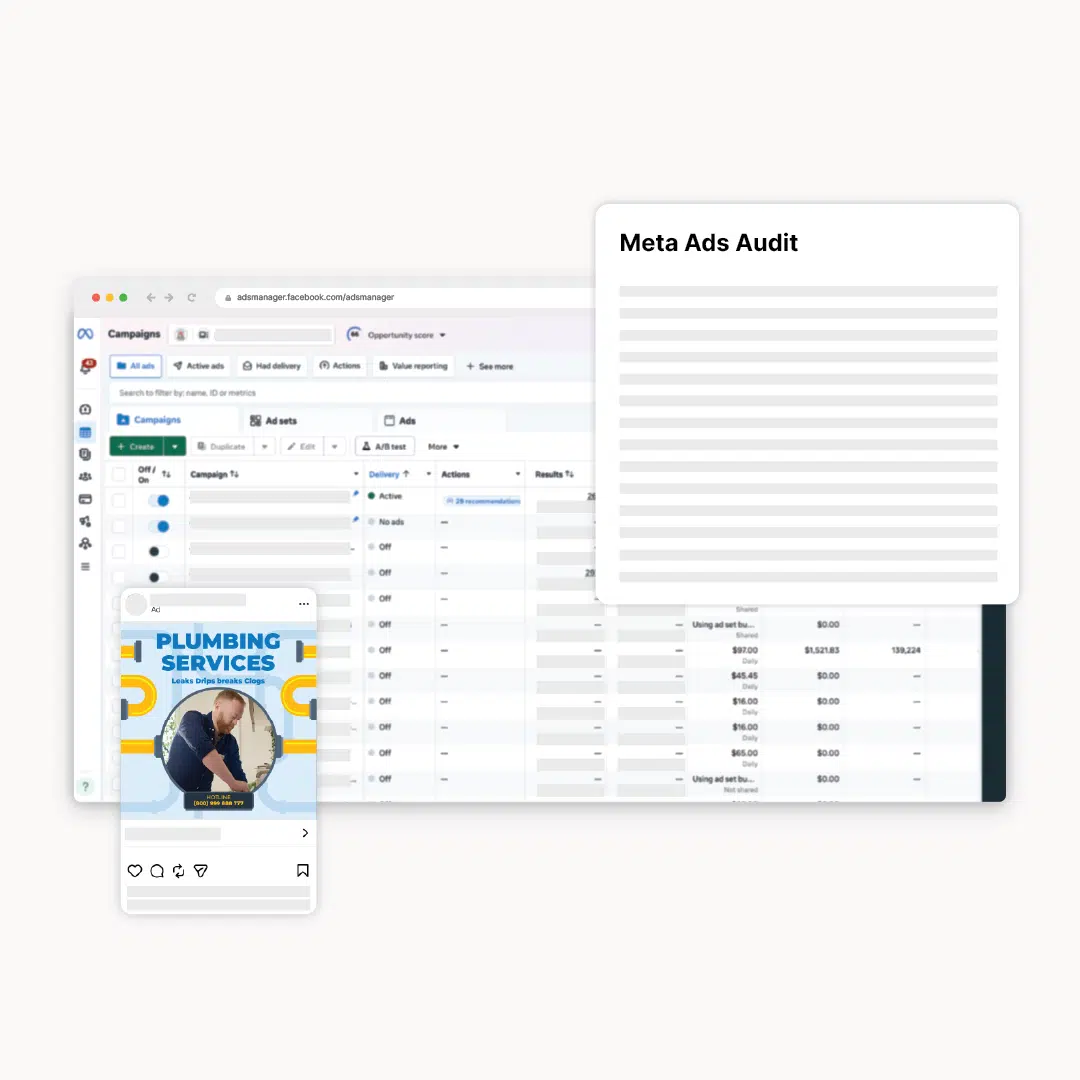

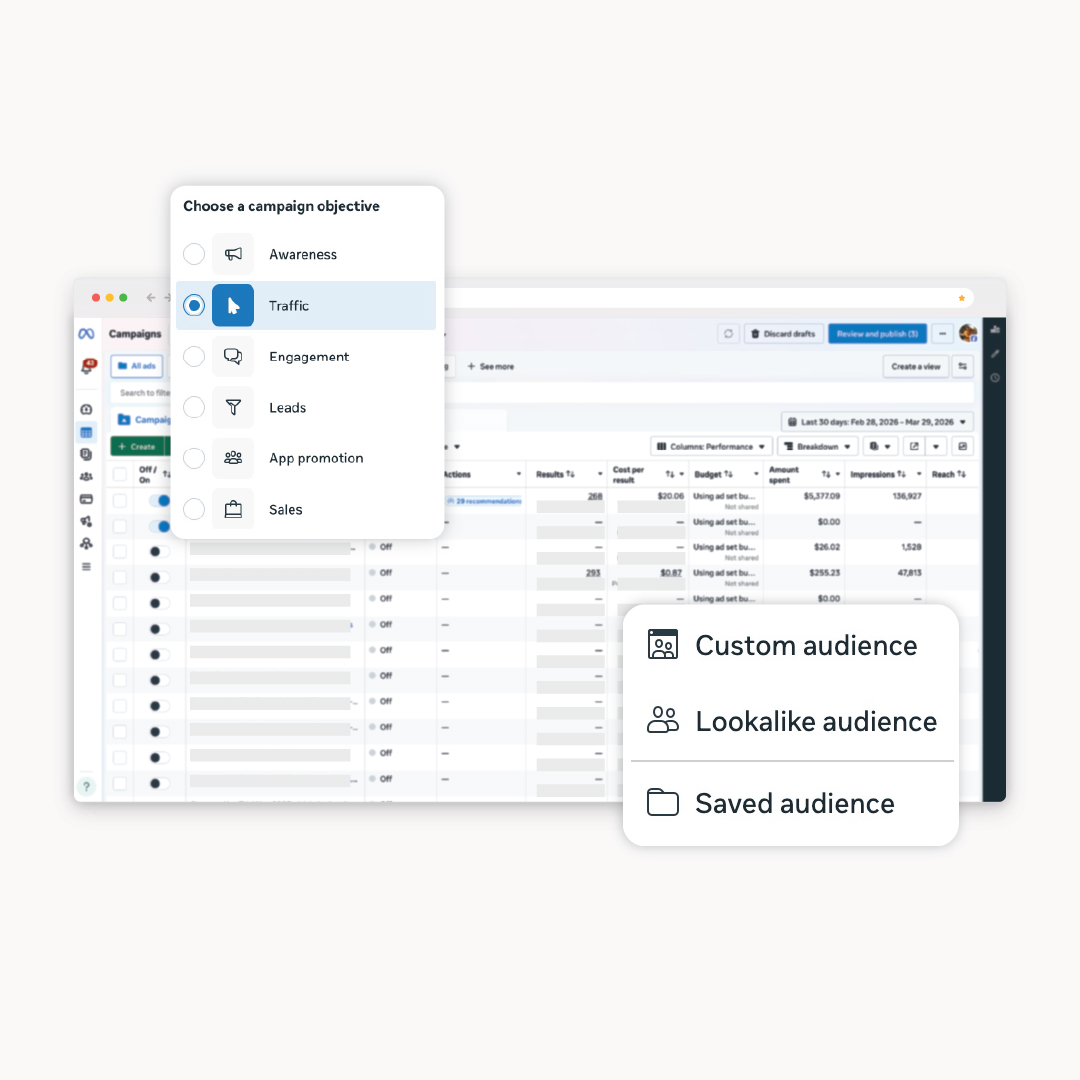
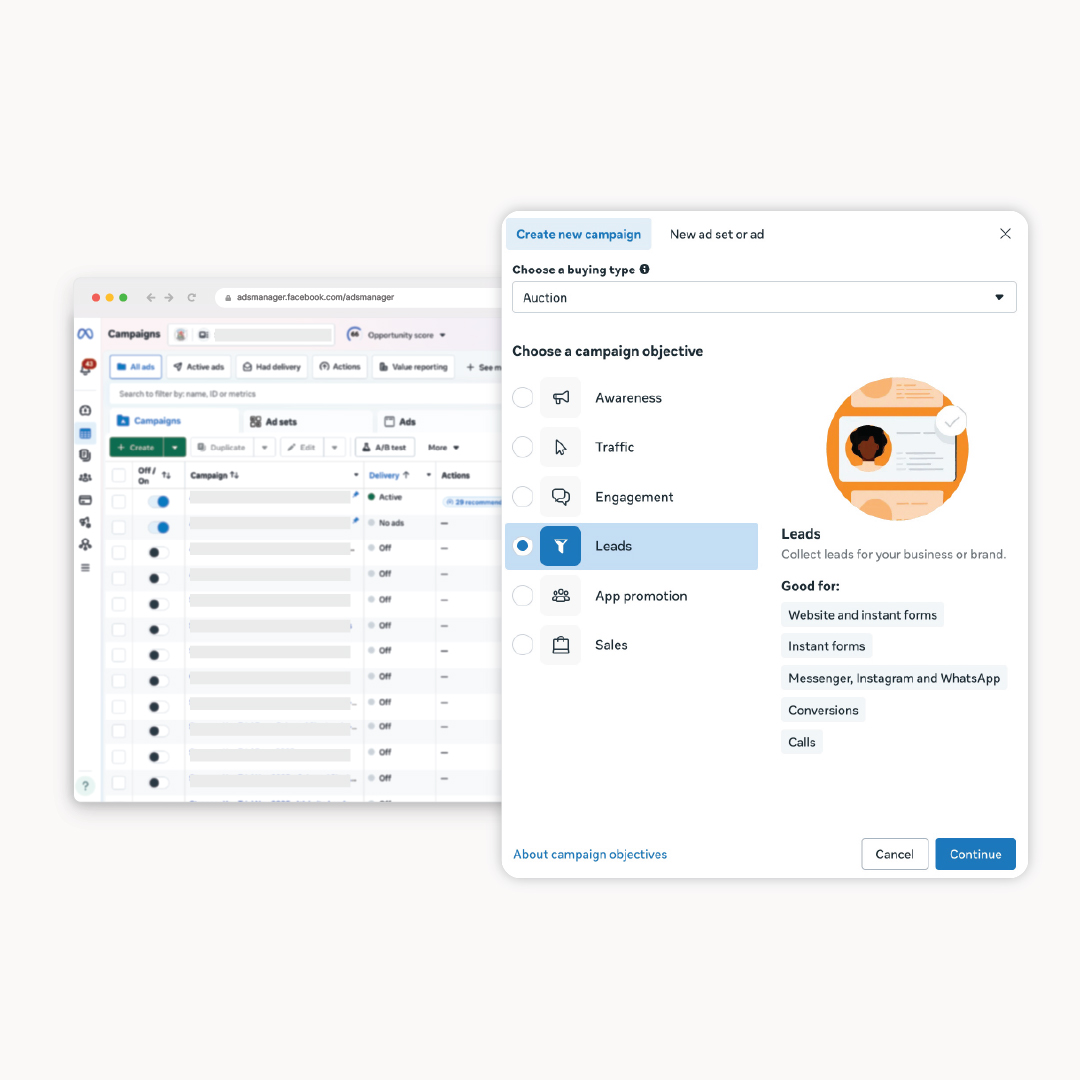
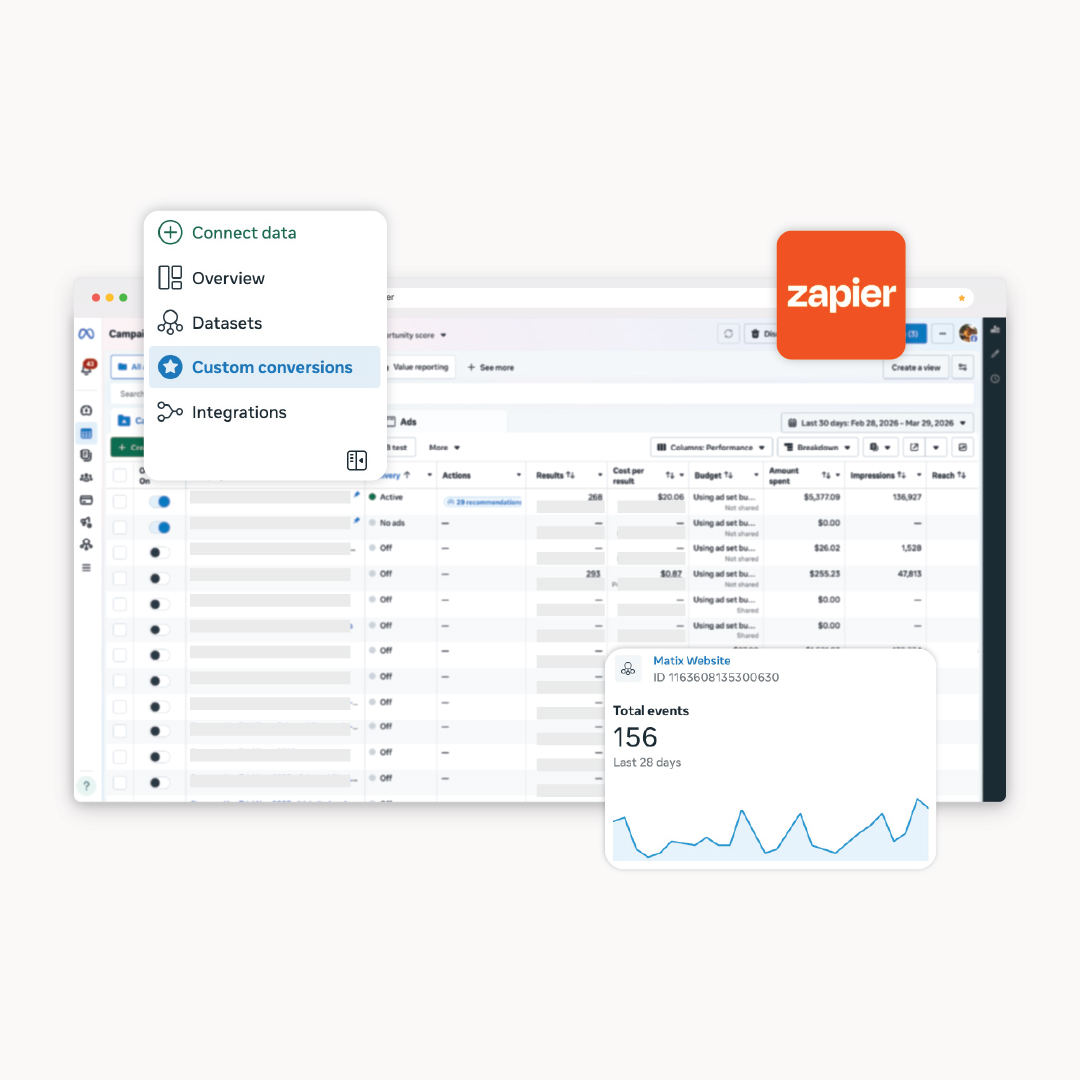
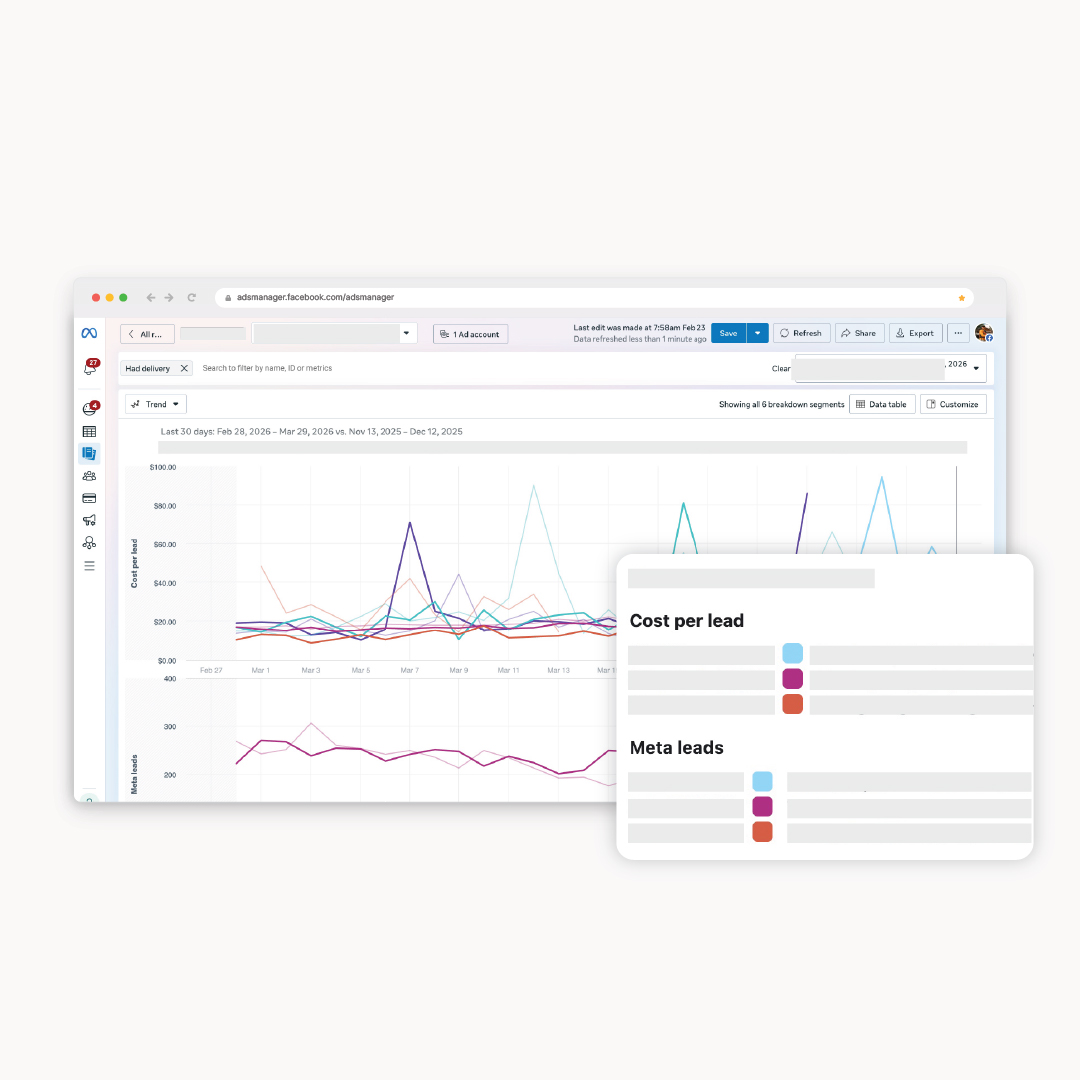
Working with Jared has been a standout experience for our team. We have hired five different fractional ads specialists, and he has been the best by a wide margin. What sets him apart is his deep, data-driven approach. He truly understands conversion data, user behavior, and performance patterns at a granular level, allowing him to make highly informed and effective decisions. Instead of relying on surface-level metrics, Jared focuses on the numbers that actually drive growth, and as a result, we have seen our best results to date, with the lowest cost per lead and the highest lead volume.

Jared has an amazing talent to understand the big picture and to help people align around common goals. He is responsive, thorough, clear and thoughtful in his interactions with all team members. With our project he had an uncanny ability to understand a complex situation in a short time so that we could all talk about solutions. I would absolutely and wholeheartedly recommend and endorse Jared.

Jared was simply amazing. He is smart, talented, and was fully capable of bringing our project to fruition. We initially hired Jared after the first person we brought on for the job was unable to complete it. Jared seamlessly took over the project and delivered an end result that exceeded our expectations. He remained readily available for small changes after the main project was completed, right up until we were ready to sign off on a successful completion. I would highly recommend Jared and believe he would be an asset to any company or individual he works with.


