

Despite rapid lead growth, the client lacked a reliable framework for capturing and structuring their data. Leads were entered into the CRM inconsistently, creating duplicates and eroding visibility into conversion rates, attribution, and ROI. As Meta's ad spend grew from $20K to $50K, these data gaps triggered volatile performance and higher acquisition costs, compounded by account settings that prevented Meta from optimizing effectively. The breaking point came when their SMS marketing program was nearly shut down for failing to comply with A2P 10DLC requirements. What looked like a collection of isolated setbacks turned out to be a deeper, systemic issue: a fragmented data architecture and a CRM that couldn’t sync with the rest of their systems. Without a connected tech stack and automated workflows, the client lacked a reliable foundation to scale marketing confidently and sustainably.
The immediate priority was stabilizing the client’s data foundation. We redesigned their intake process to remove duplicates, validate emails at the point of entry, and alert sales reps when a lead re-engaged—transforming noisy, inconsistent data into a clean source of insight. Once the tech stack was fully connected, every platform finally shared the same accurate data. This gave us complete visibility into the sales journey and enabled intelligent automation that delivered personalized messages based on each lead’s behavior and stage.
To help the team manage the overwhelming volume of inbound leads, we implemented a secondary qualification form that automatically scored prospects. This ensured sales reps could focus their time on high-intent leads while filtering out spam and low-quality submissions.
We then integrated the CRM with Meta’s Conversions API, giving Meta real-time visibility into lead progression throughout the funnel. Cleaner optimization signals and accurate event data allowed us to reduce wasted spend, strengthen campaign performance, and unlock dynamic audiences that continuously updated based on real user behavior. We also connected secondary forms and payment events to Meta, enabling the automatic creation of high-value custom audiences, further improving targeting and scale.
Finally, we built a system of dynamic lists within the email and SMS platform that updated as clients took action and moved through the funnel. This not only improved personalization and engagement but also resolved the 10DLC and A2P compliance issues the client faced early on, ensuring their communication channels remained active, compliant, and scalable.
By introducing the secondary qualification form, we dramatically reduced the time it took to contact and close high-intent leads. This improvement in lead flow and prioritization contributed to a significant reduction in cost per lead—dropping from an average of $24–$26 down to $10–$16. With stronger data accuracy and more efficient campaign performance, the client gained the confidence to scale their marketing spend to $145K over the following six months while lead volume increased steadily.
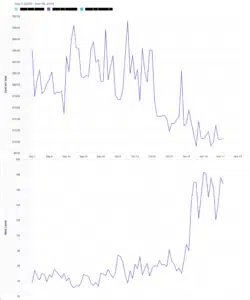
Engagement also improved across the funnel. New-lead email sequences saw higher open and click rates, while A2P 10DLC and compliance fixes restored the client’s SMS channel from suspension and ensured it remained fully compliant going forward. Unsubscribed users were removed automatically, preventing improper messaging and protecting deliverability.
Email validation played a key role in strengthening sender reputation, leading to a consistent increase in deliverability scores and more reliable inbox placement for client communications.
Overall, the combined improvements significantly enhanced marketing efficiency and operational scalability:
Reduced CPL from $26 to $12 (54% decrease)
Increased lead volume from 60–70/day to 150–160/day
Improved campaign ROI through strategic optimization and cleaner data signals
As a result of these outcomes, the client continued working with us to assess additional areas of the business and build a scalable foundation for ongoing growth.

